
Mojo
June 22, 2026
Mojo: The Tangy Garlic Sauce That Defines Cuban Cooking
Mojo is the secret behind the unforgettable flavor of authentic Cuban roast pork. Pronounced “MO-ho,” this classic sauce is a staple in Caribbean cooking. Its bright citrus, bold garlic, and versatility make it popular in kitchens throughout Cuba, Puerto Rico, the Canary Islands, and beyond.
Today, mojo is everywhere, from family dinners to supermarket shelves. Its versatility keeps it popular, whether as a marinade, dipping sauce, or finishing touch. But how did Mojo become so iconic?
The History of Mojo
Mojo comes from the Canary Islands, a Spanish archipelago near Africa. The word “mojo” likely has roots in Portuguese and Canarian cooking, where it refers to a sauce made with oil, garlic, herbs, and spices.
Spanish settlers brought their cooking traditions to Cuba and other Caribbean islands. Over time, local ingredients changed the recipe. Sour oranges, which grew well in Cuba, helped create the citrusy mojo that is now a Cuban classic.
Canarian mojo often includes peppers and herbs, while Cuban mojo became a simpler blend of garlic, olive oil, oregano, and citrus juice, giving it a strong, bold flavor.
With that background in mind, let’s see what sets mojo apart from other sauces.
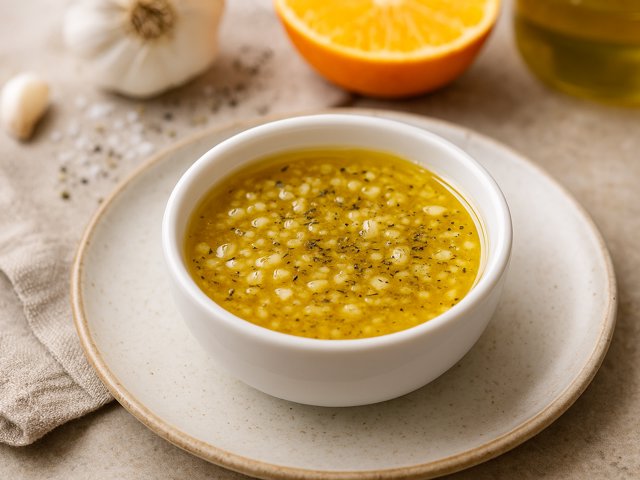
Unlike many marinades that use vinegar, Cuban mojo gets its unique flavor from sour oranges. These oranges bring a mix of sweet, tart, and bitter notes that are hard to match. Mojo typically contains:
- Sour orange juice
- Garlic
- Olive oil
- Oregano
- Salt
- Black pepper
Some variations also include:
- Cumin
- Onion
- Lime juice
- Lemon juice
- Cilantro
The result is a fresh, fragrant sauce that tenderizes meat and adds plenty of flavor.
The Heart of Cuban Roast Pork
Perhaps the most famous use of mojo is as a marinade for Cuban-style roast pork, known as Lechón Asado.
In traditional Cuban cooking, pork shoulder is marinated in mojo for hours, often overnight, and then slow-roasted until tender. The citrus helps soften the meat, while the garlic and herbs add deep flavor.
This process creates juicy pork with crispy skin, a flavor that has become central to Cuban celebrations and holidays.
For many Cuban families, a holiday gathering isn’t complete without a large roast pork marinated in mojo.
Beyond Pork: Other Uses for Mojo
Mojo is best known for pork, but it is actually very versatile.
Chicken
Chicken thighs, drumsticks, and whole chickens all benefit from a mojo marinade. The citrus keeps the meat juicy and helps create a flavorful crust when grilled or roasted. For seafood, even a short marinating time with mojo can add impressive flavor since seafood is delicate.
Vegetables
Roasted potatoes with mojo are a favorite side dish in Cuban cooking. The sauce also works well on grilled vegetables like zucchini, peppers, onions, and asparagus.
Rice and Beans
A spoonful of mojo can turn plain rice and beans into something special. Many home cooks pour it over black beans just before serving.
Sandwiches
Cuban sandwiches taste even better when the pork is marinated in mojo. Some restaurants also use mojo as a spread or finishing sauce for the sandwich.
Commercial Mojo Sauces
As Cuban food has gained popularity worldwide, many companies now sell bottled mojo marinades and sauces.
Popular commercial brands include:
Goya Mojo Criollo
Goya’s mojo is one of the easiest to find. It combines citrus juices, garlic, onion, and spices, and is often used as a ready-made marinade for pork and chicken.
Badia’s mojo marinade is popular with home cooks looking for authentic Cuban flavor. It is known for its strong garlic taste and convenience.
Iberia Mojo is another flexible option, often used for grilling and roasting meats.
Homemade vs Store-Bought
Bottled mojo is convenient, but many people prefer to make it at home for a fresher citrus flavor and more control over the ingredients.
Homemade mojo takes just a few minutes to make and often tastes brighter and fresher.
Mojo Around the World
Cuban mojo may be the most famous, but there are many regional versions.
Mojo Rojo
Mojo Rojo comes from the Canary Islands. This red sauce is made with peppers, garlic, olive oil, and spices. It is usually spicier than Cuban mojo and is often served with potatoes or meats, highlighting local flavors.
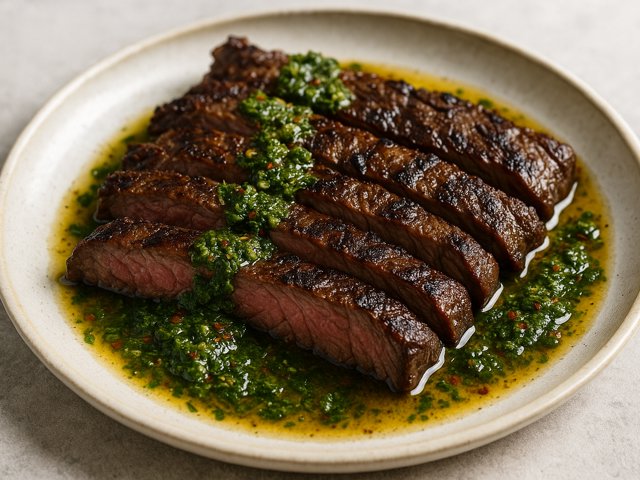
Mojo Verde is another sauce from the Canary Islands. It uses herbs like cilantro or parsley to create a fresh green sauce. This version is milder, with a strong herbal flavor, and is often served with seafood and potatoes.nd potatoes.
Puerto Rican Mojo
In Puerto Rico, mojo is known as mojo criollo. It often includes extra herbs like culantro or recao, and sometimes uses both orange and lemon juice. These changes highlight the island’s variety of ingredients and culinary traditions.
Each version keeps the spirit of mojo but adapts to local ingredients and tastes. For example, Mojo Rojo is spicy, Mojo Verde is fresh and herbal, and Puerto Rican mojo combines herbs and citrus.
Why Mojo Remains Popular
Mojo has lasted for centuries because it lets cooks add plenty of flavor with little effort.
A few simple ingredients produce a sauce that can:
- Tenderize meat
- Enhance vegetables
- Brighten seafood
- Improve leftovers
- Mojo works as both a marinade and a sauce you can serve at the table. Unlike sauces with long ingredient lists, mojo remains refreshingly simple.
Making Mojo at Home
One of the best things about mojo is how easy it is to make. Most people already have the ingredients in their kitchen.
To make a basic homemade mojo, simply combine:
- Orange juice
- Lime juice
- Olive oil
- Oregano
- Salt
- Pepper
Blend or whisk everything together and use it right away as a marinade or sauce.
The flavors improve as mojo sits, so it’s a great sauce to make ahead for meal prep.
A Sauce Worth Discovering
Mojo began in the Canary Islands and became a key part of Cuban cooking. Its blend of citrus, garlic, herbs, and olive oil creates a simple yet unforgettable sauce loved worldwide.
Whether you are marinating pork for a holiday, grilling chicken in the summer, or just want to make roasted vegetables tastier, mojo adds real flavor with little effort.
Few sauces show the power of simple ingredients as well as mojo does. Just one taste explains why this old recipe is still loved in kitchens everywhere.
Related recipes